
The mission of the Election Law Clinic at Harvard Law School is to train the next generation of election lawyers through litigation and advocacy that bring novel academic ideas to the practice of election law. It aims to build power for voters, not politicians, and recognizes that the struggle for voting rights is a struggle for racial justice.



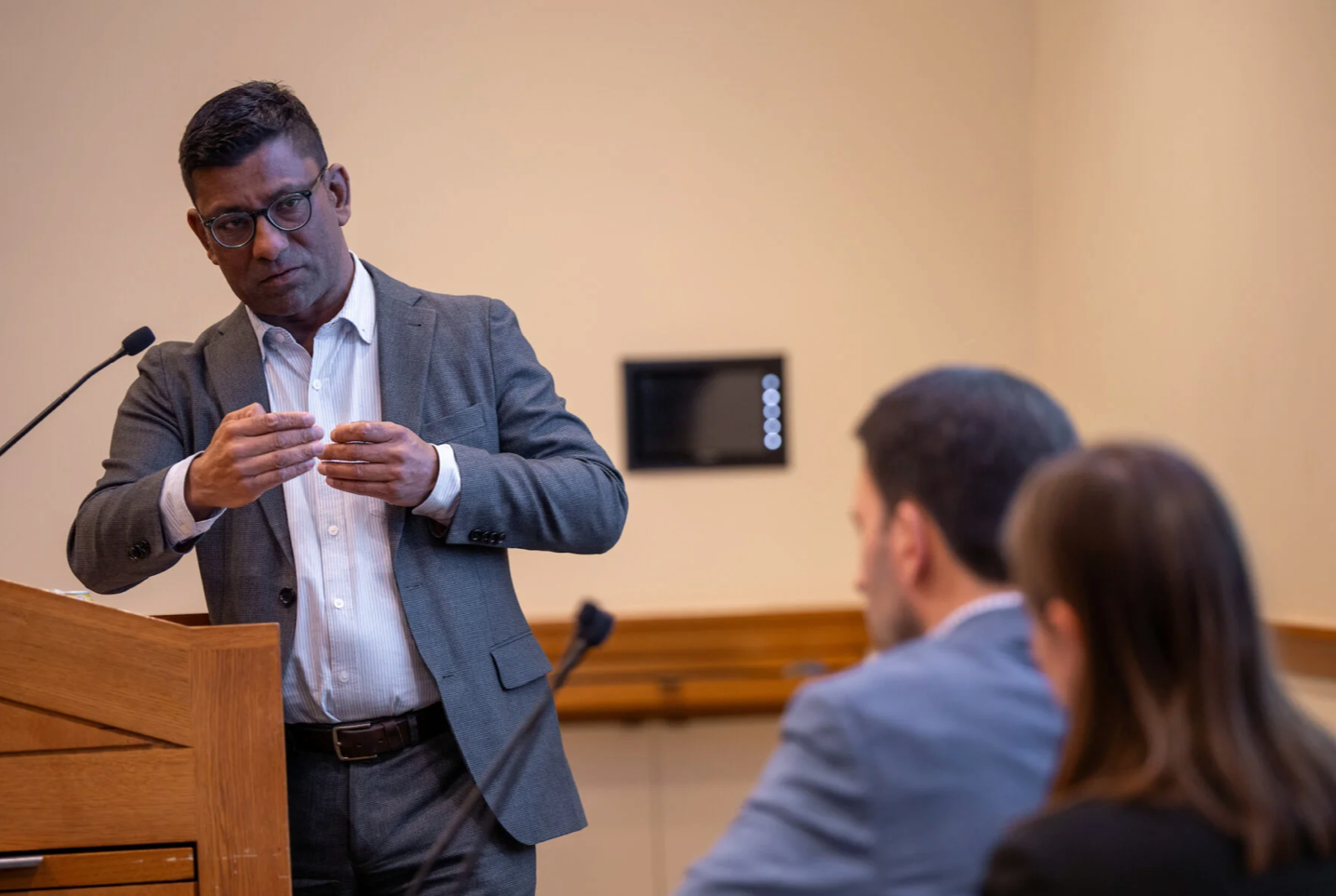
Featured Media: “Gerrymandering is still winning. It’s time to change the rules.”
Director Ruth Greenwood in The Boston Globe
Our Team
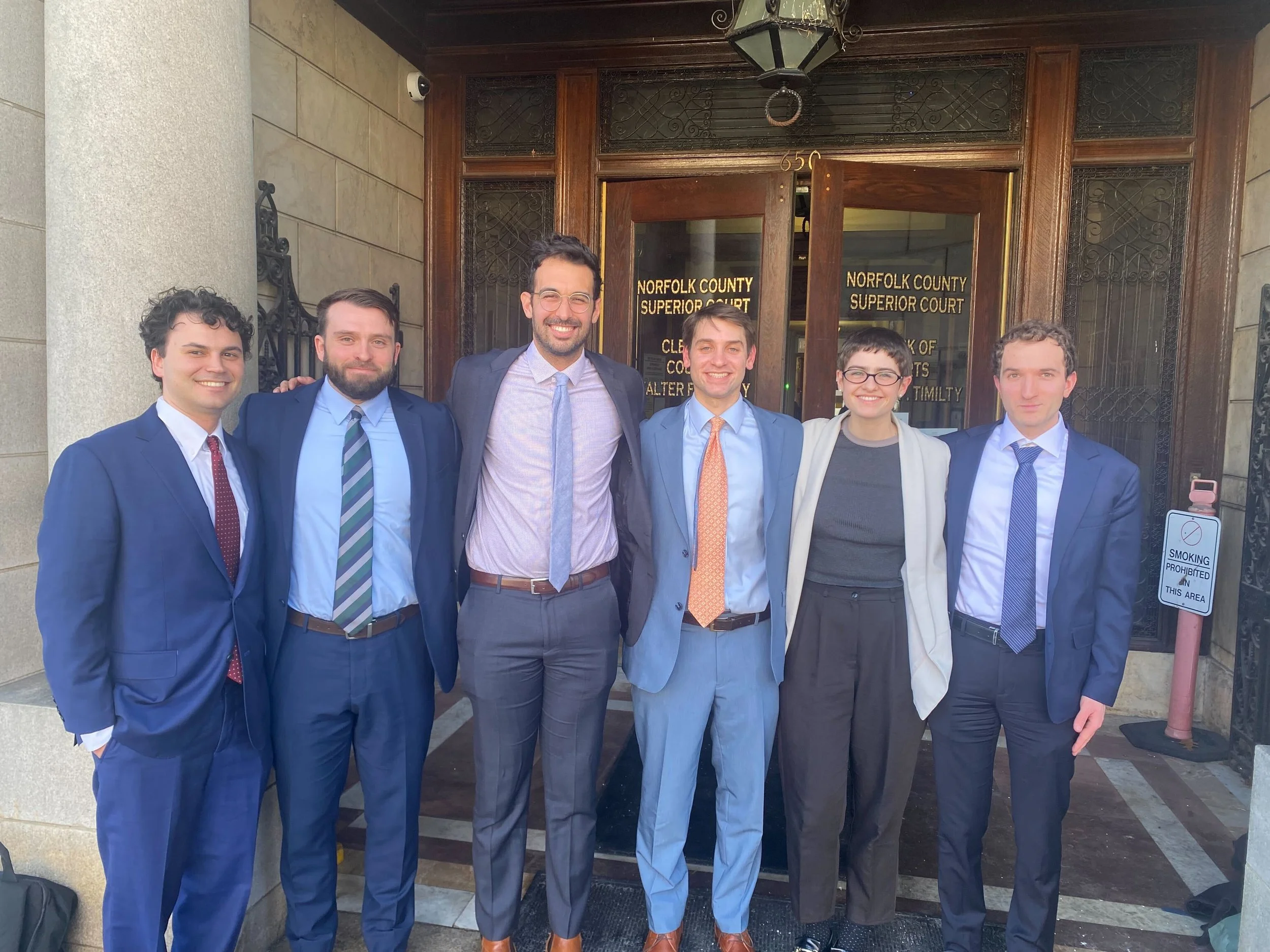
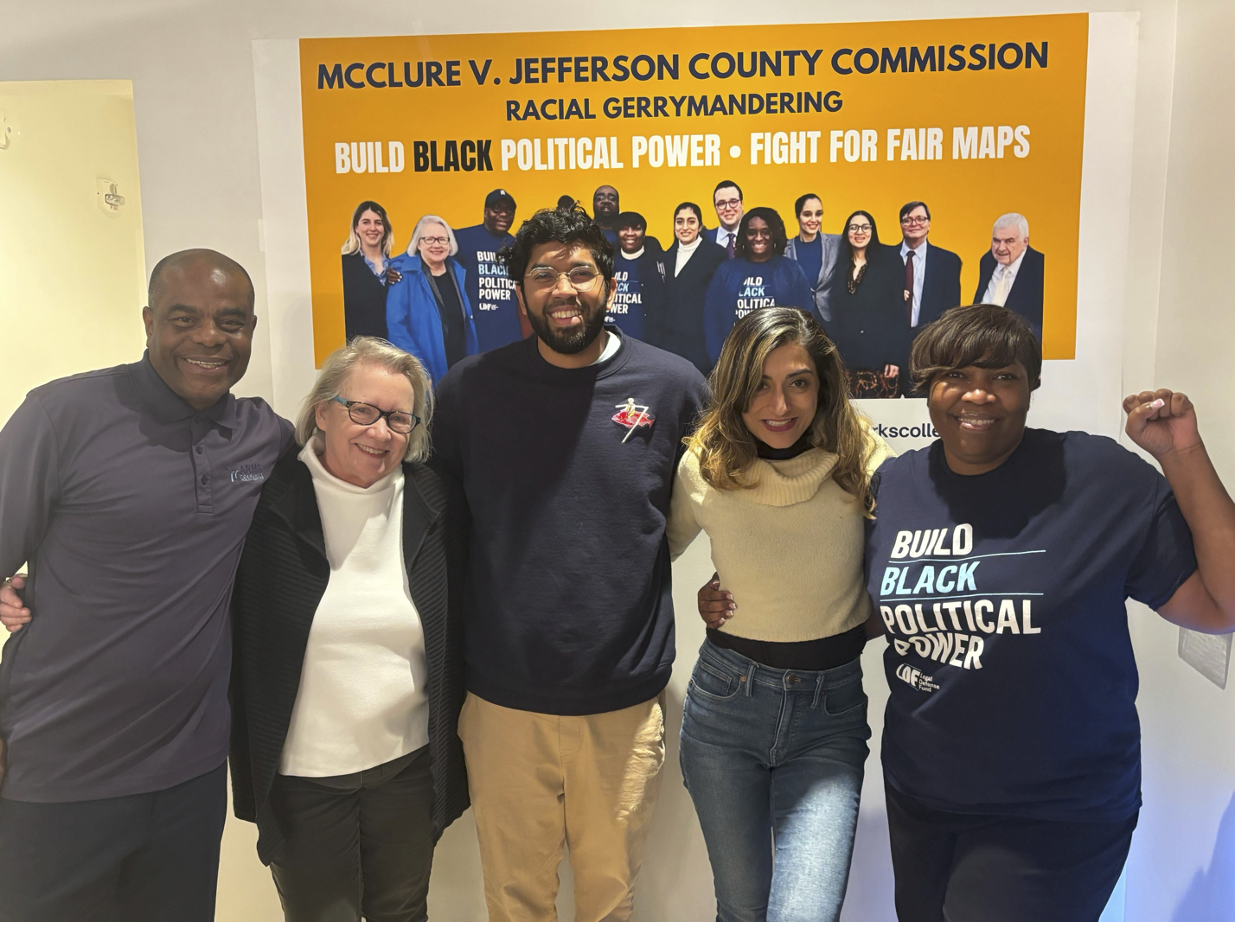
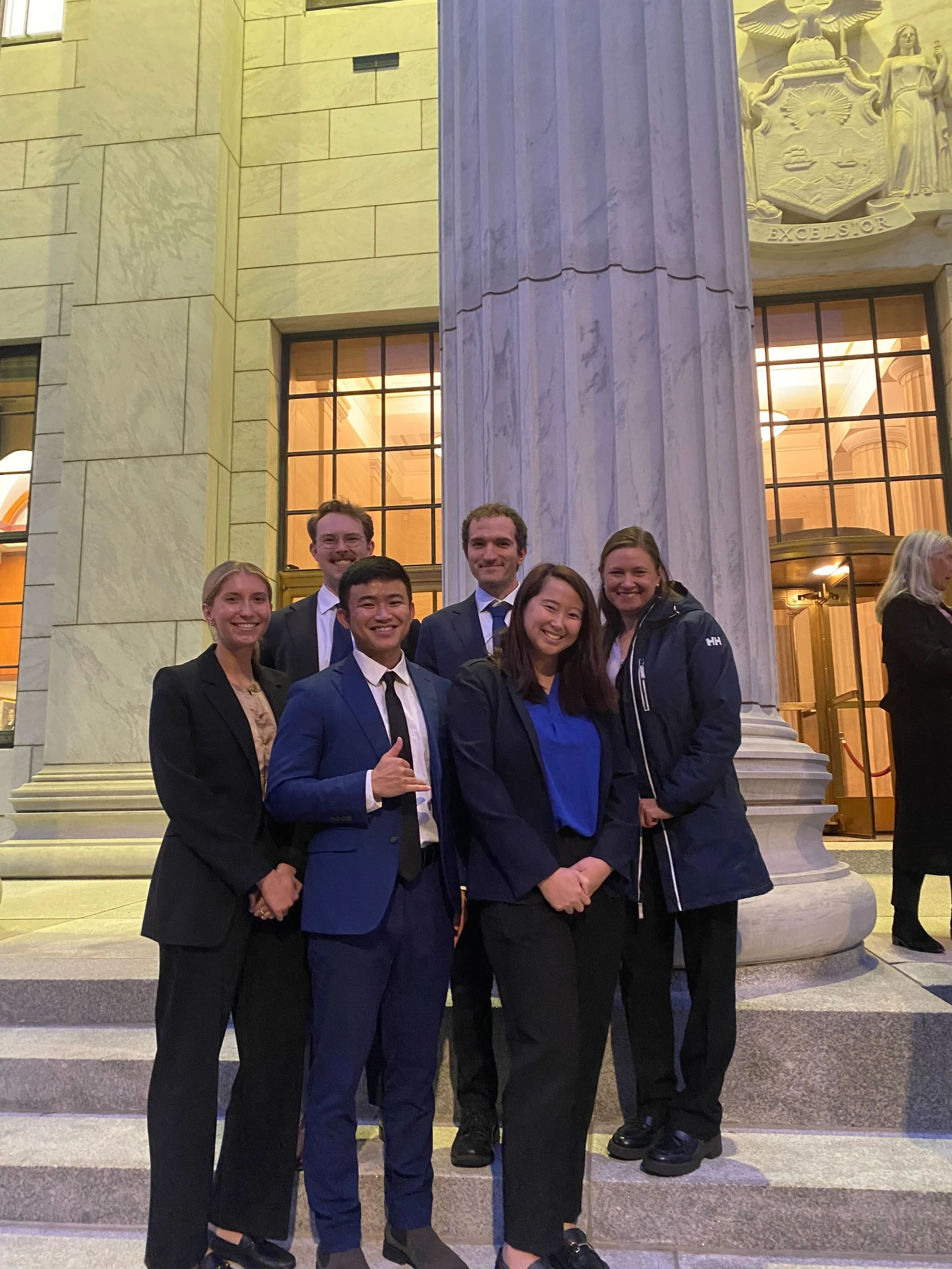
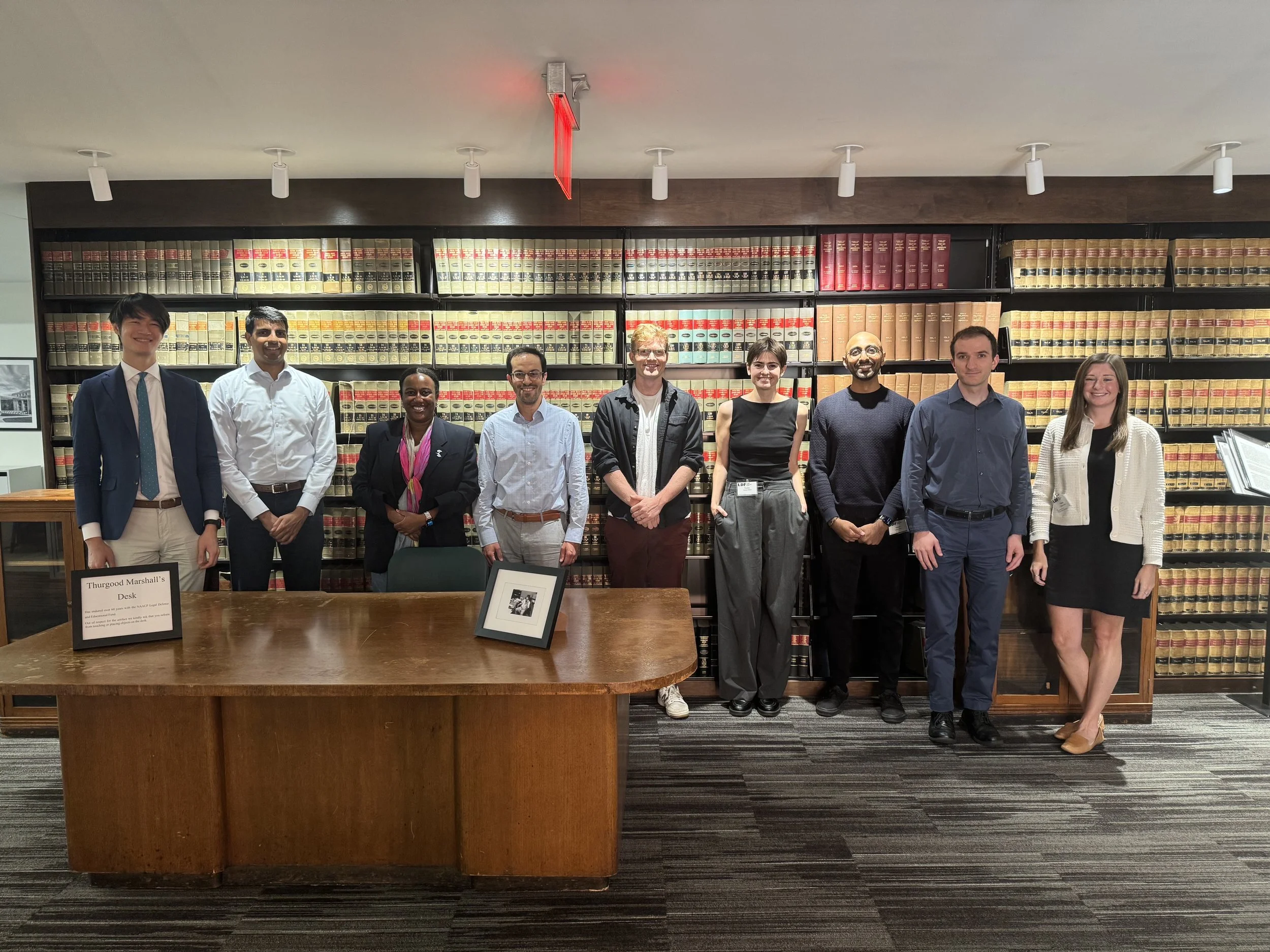
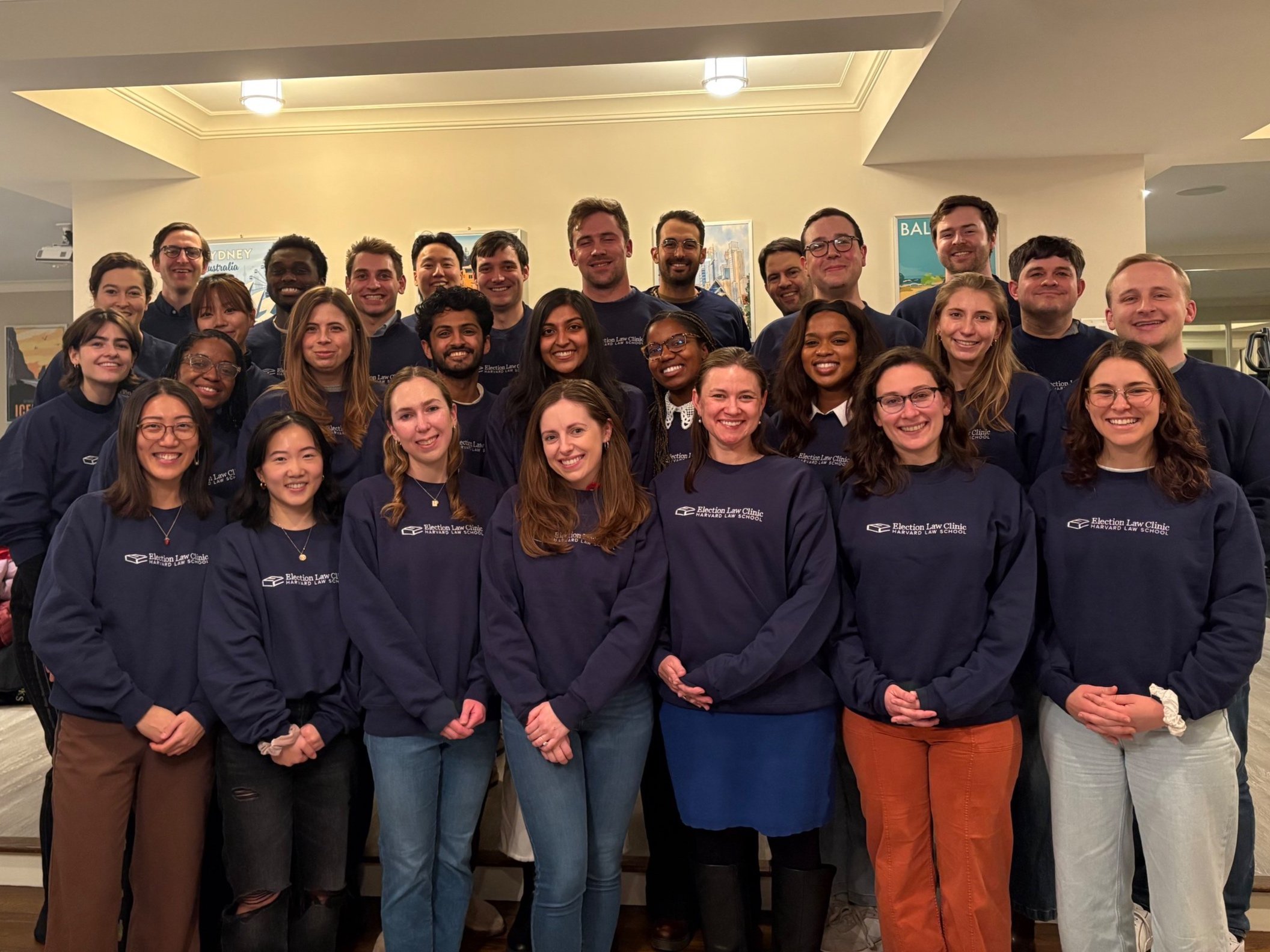
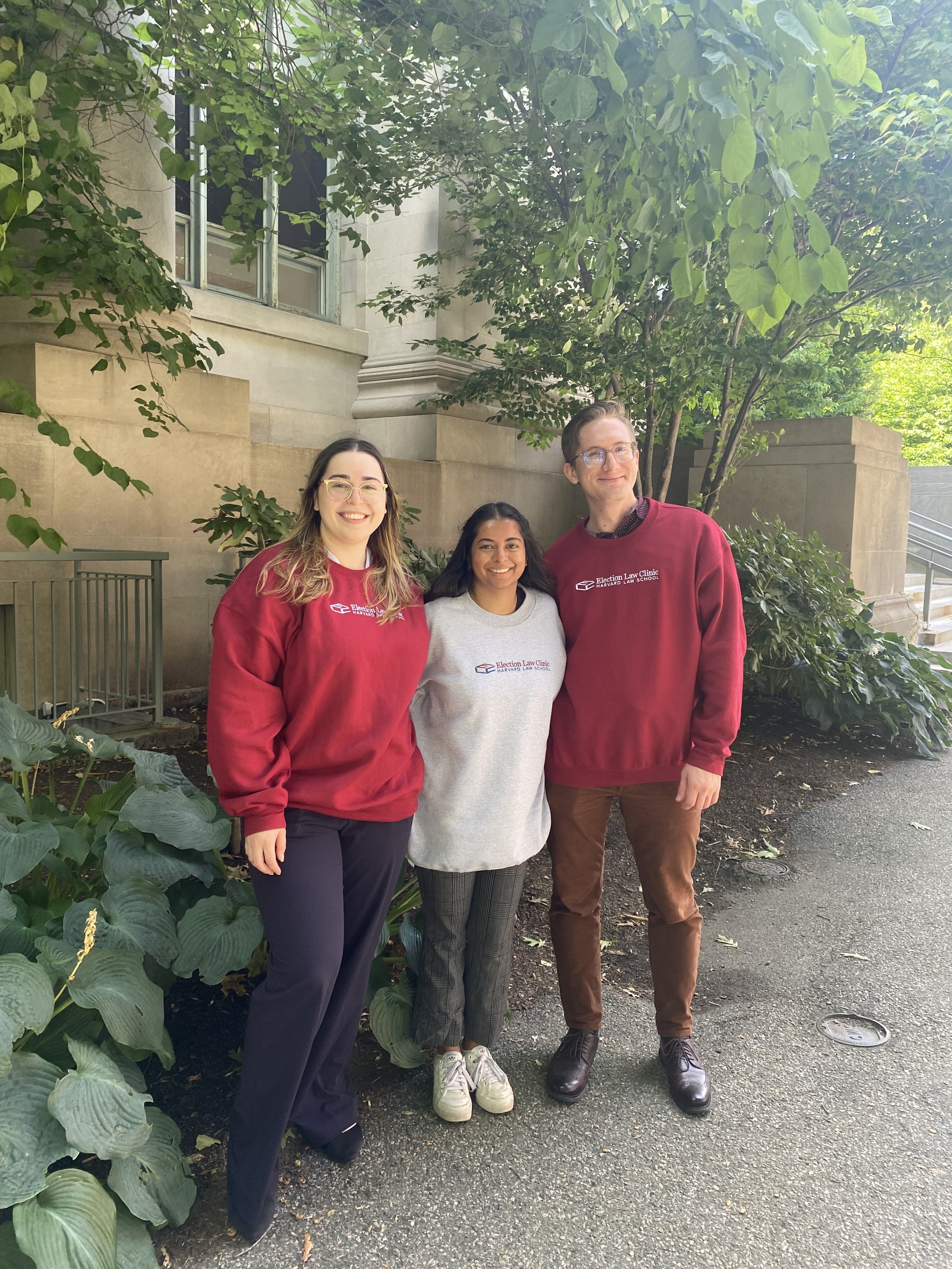
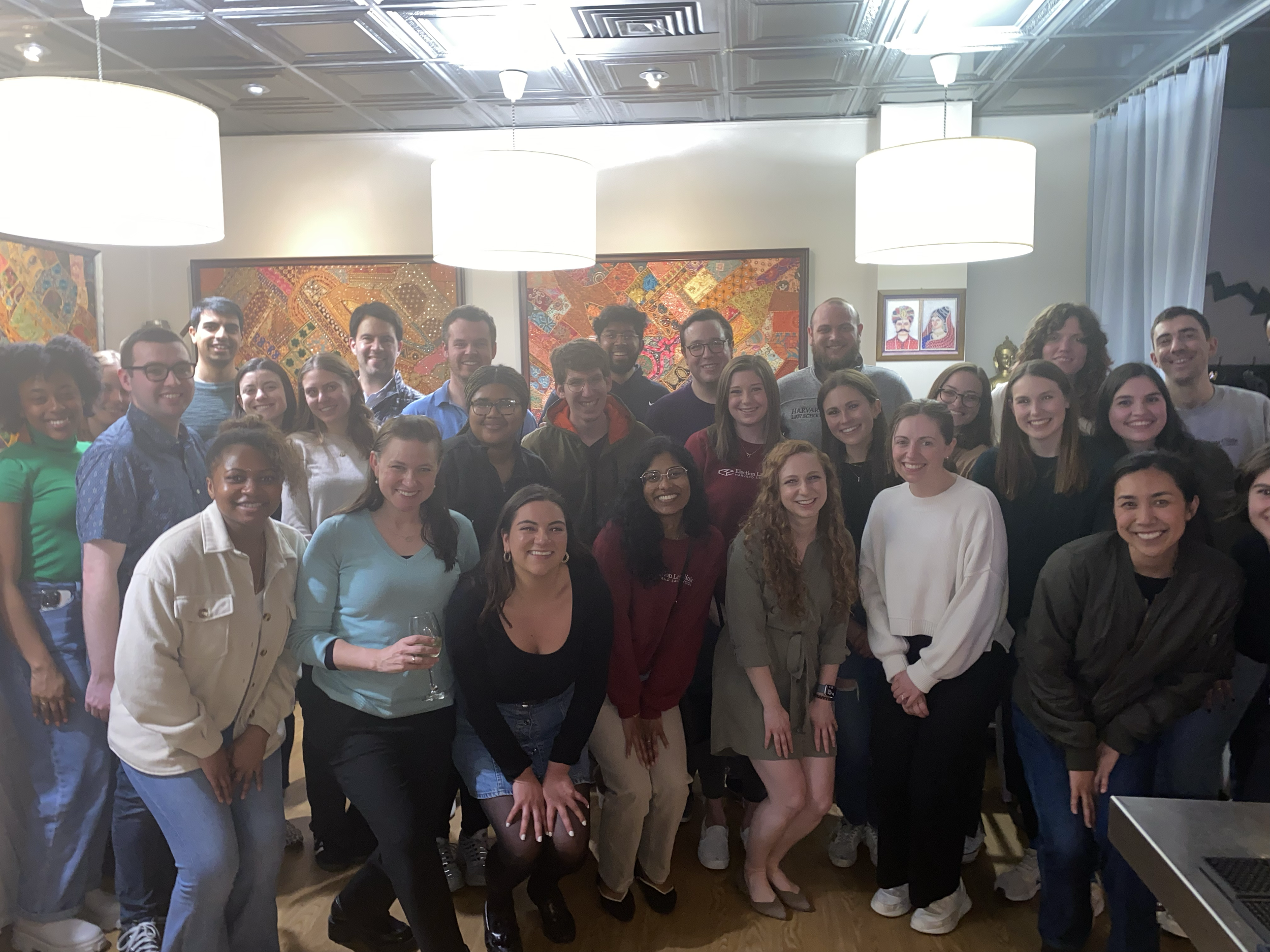
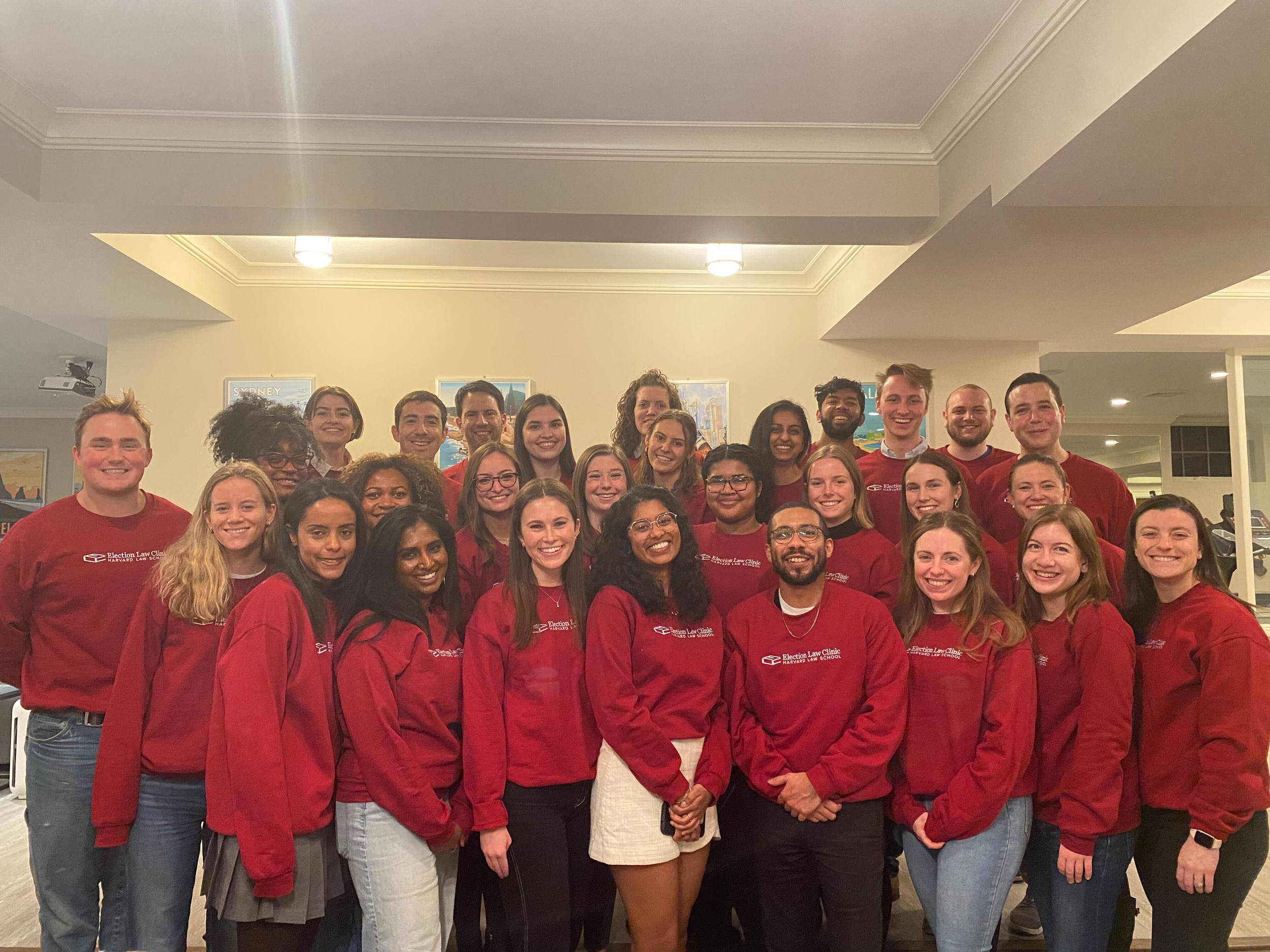
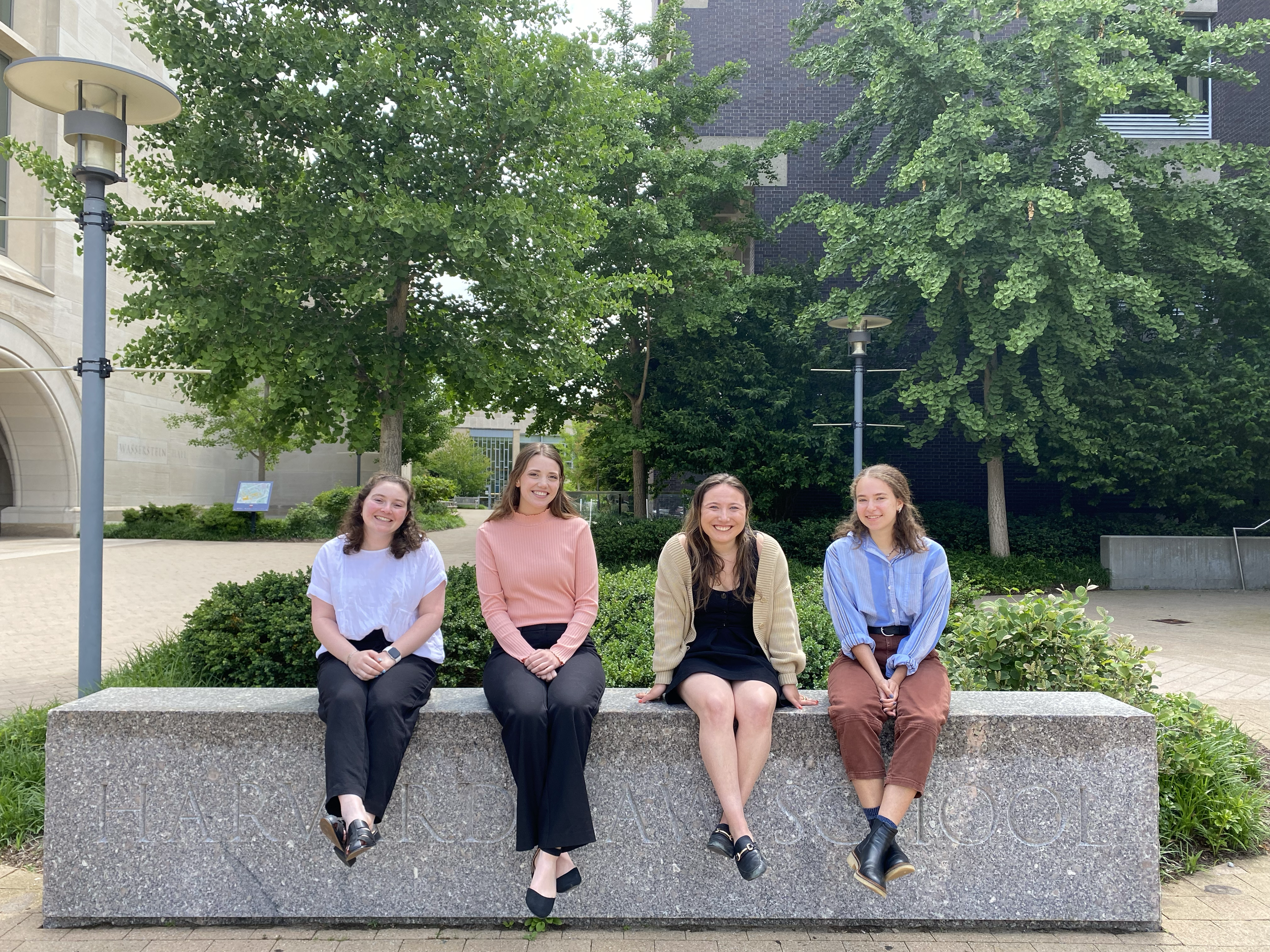
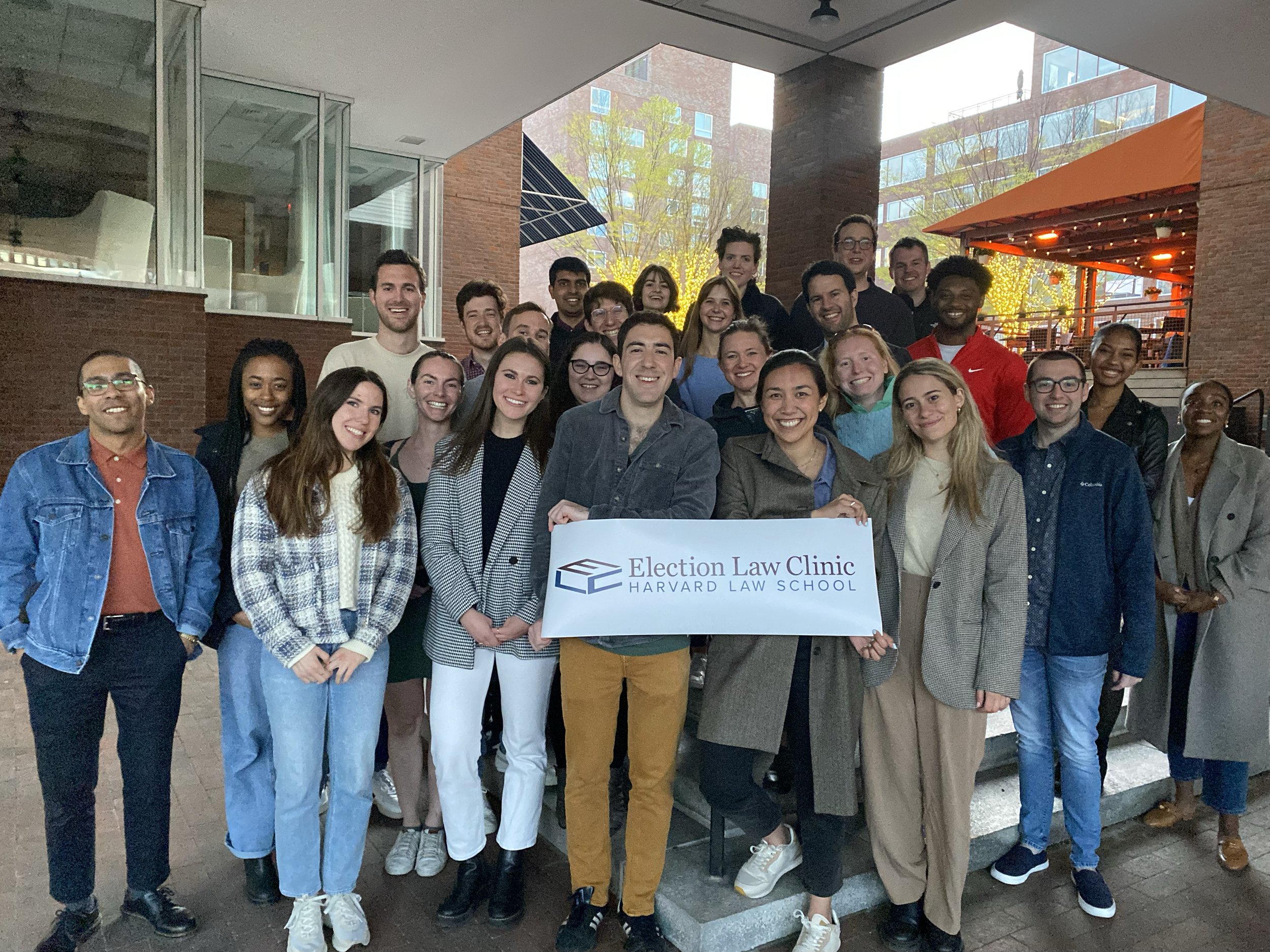
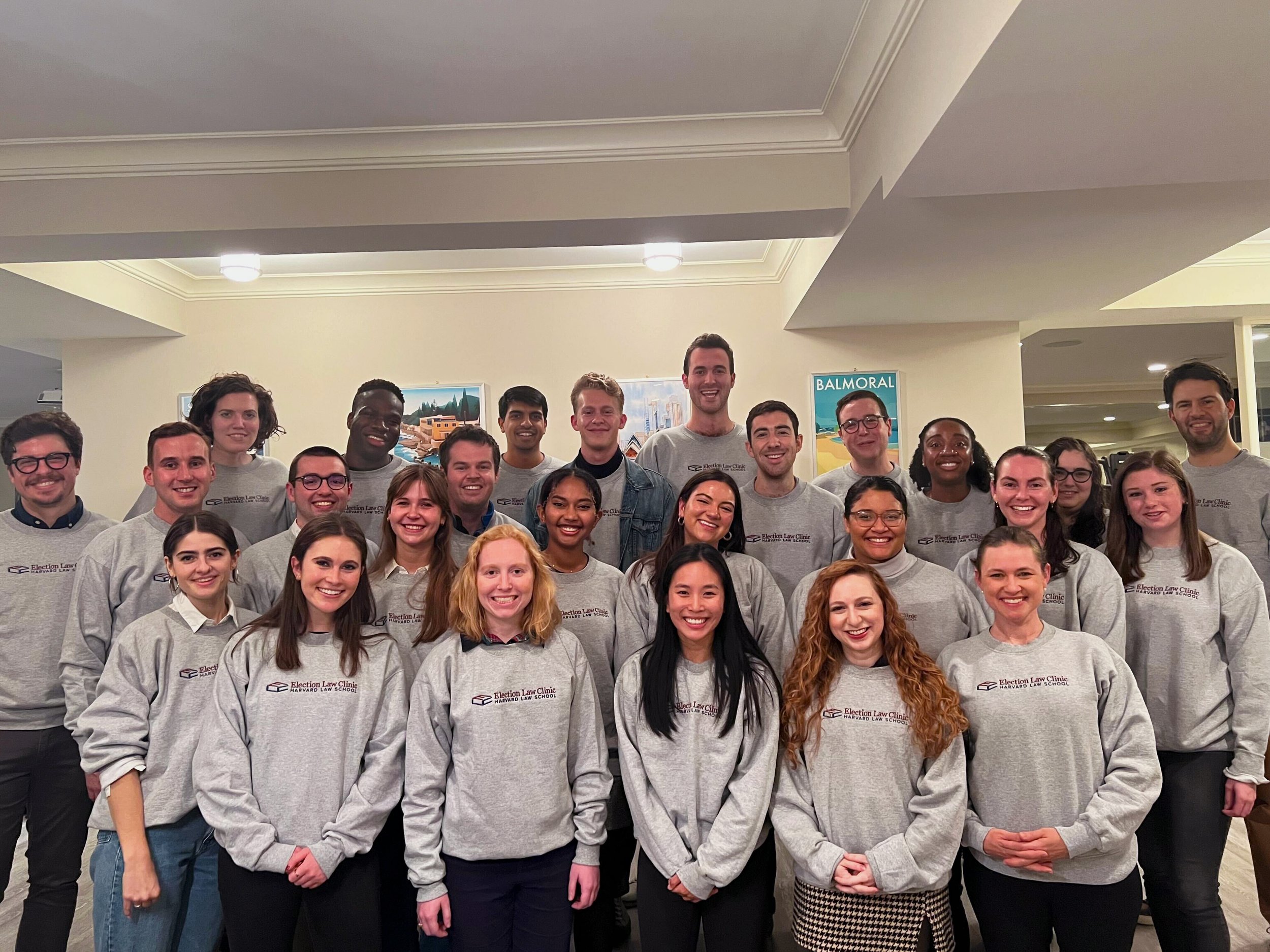
The heart of the Election Law Clinic is our students, who are supported by a faculty director, two clinical instructors, and a program coordinator.
Resources
We invite you to learn more about our mission and impact areas through the lens of the work we do. Check back for case briefings, court filings, and other great resources.
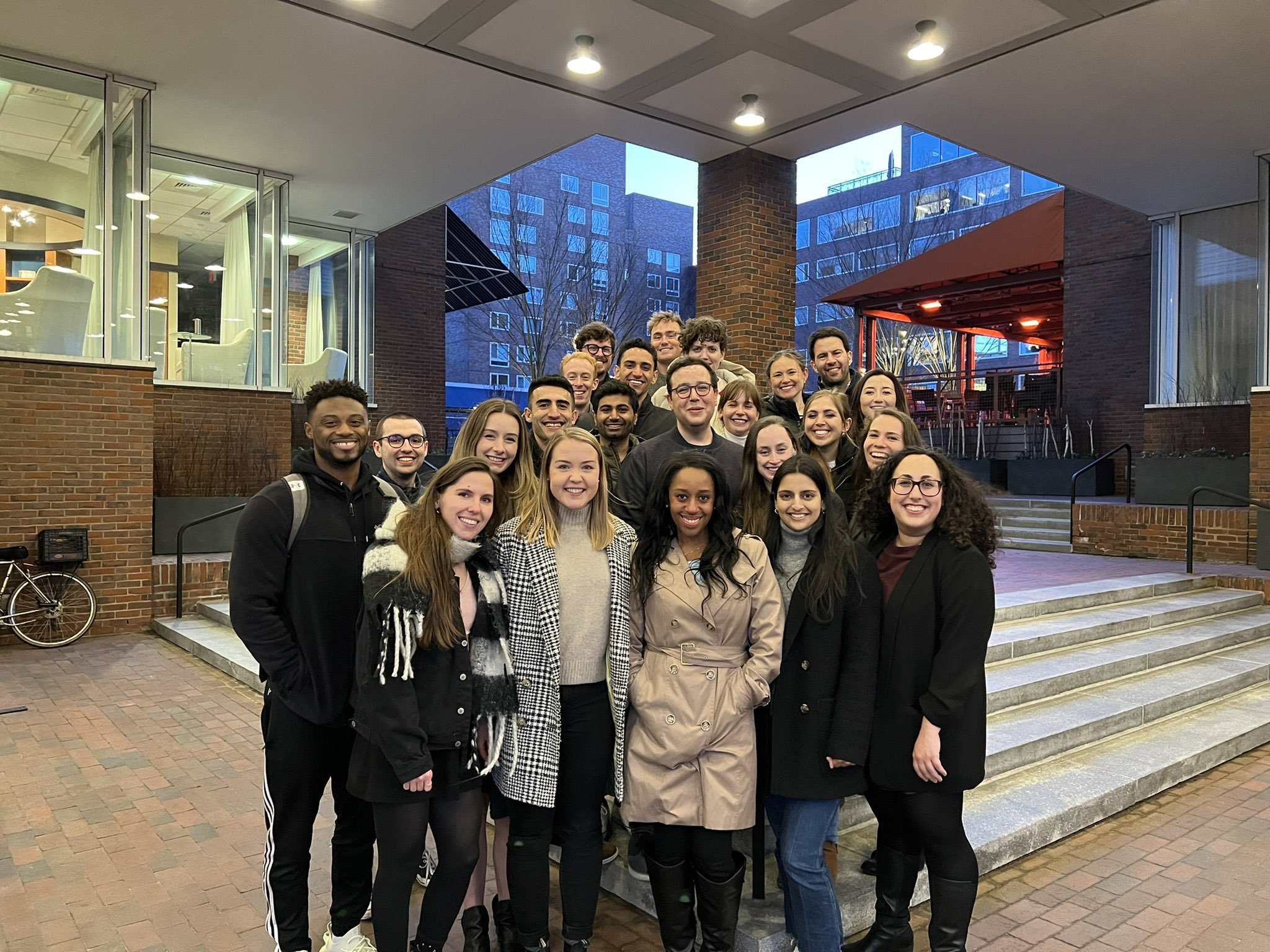
The Election Law Clinic offers Harvard Law students the opportunity to do hands-on litigation and advocacy work across a range of election law areas, with an initial focus on redistricting and voter suppression cases. Clinic projects cover a range of topics including protecting against: voter suppression and intimidation, racial and partisan gerrymandering, minority vote dilution, campaign finance abuses, and an inaccurate and biased census.
Clinic students will work on every aspect of litigation, including pre-filing investigations, meeting and retaining clients, engaging in lay and expert discovery, briefing and arguing dispositive motions, pre-trial preparations and trial practice, as well as the appellate process. Election law cases rely heavily on political scientists as experts, so students will have broad exposure to emerging theories and methods in political science and how to communicate them to a legal audience. Students will also engage in one-off amicus brief work for cases of national importance.
In addition to the regular caseload, students will work on advocacy opportunities such as drafting legislation, legislative testimony, and engaging experts in the policy advocacy process at the federal and state levels. There will also be opportunities to attend national and state coalition meetings that include lawyers, organizers, and communications experts.